



xparhas
30 July, 2025
Functional training focuses on exercises that mimic everyday movements, enhancing strength, balance, flexibility, and coordination in practical ways. Unlike traditional weight training that isolates specific muscles, functional workouts engage multiple muscle groups simultaneously, reflecting the actions you perform in daily life—such as squatting, lifting, twisting, and reaching.
This approach helps build real-world strength, making daily activities easier and reducing the risk of injury. Functional training routines often include bodyweight exercises, kettlebell movements, resistance bands, and stability tools like medicine balls or balance boards.
Staying consistent with workouts can be challenging, but setting realistic goals, finding a workout buddy, and mixing up routines can help. Prioritize your health by scheduling regular exercise, tracking progress, and rewarding achievements. Remember to listen to your body, stay hydrated, and maintain a balanced diet for optimal results.
Functional training offers significant long-term benefits. It supports joint stability, improves posture, and helps prevent common aches that come with aging. For older adults especially, functional movements maintain independence by preserving mobility and balance.
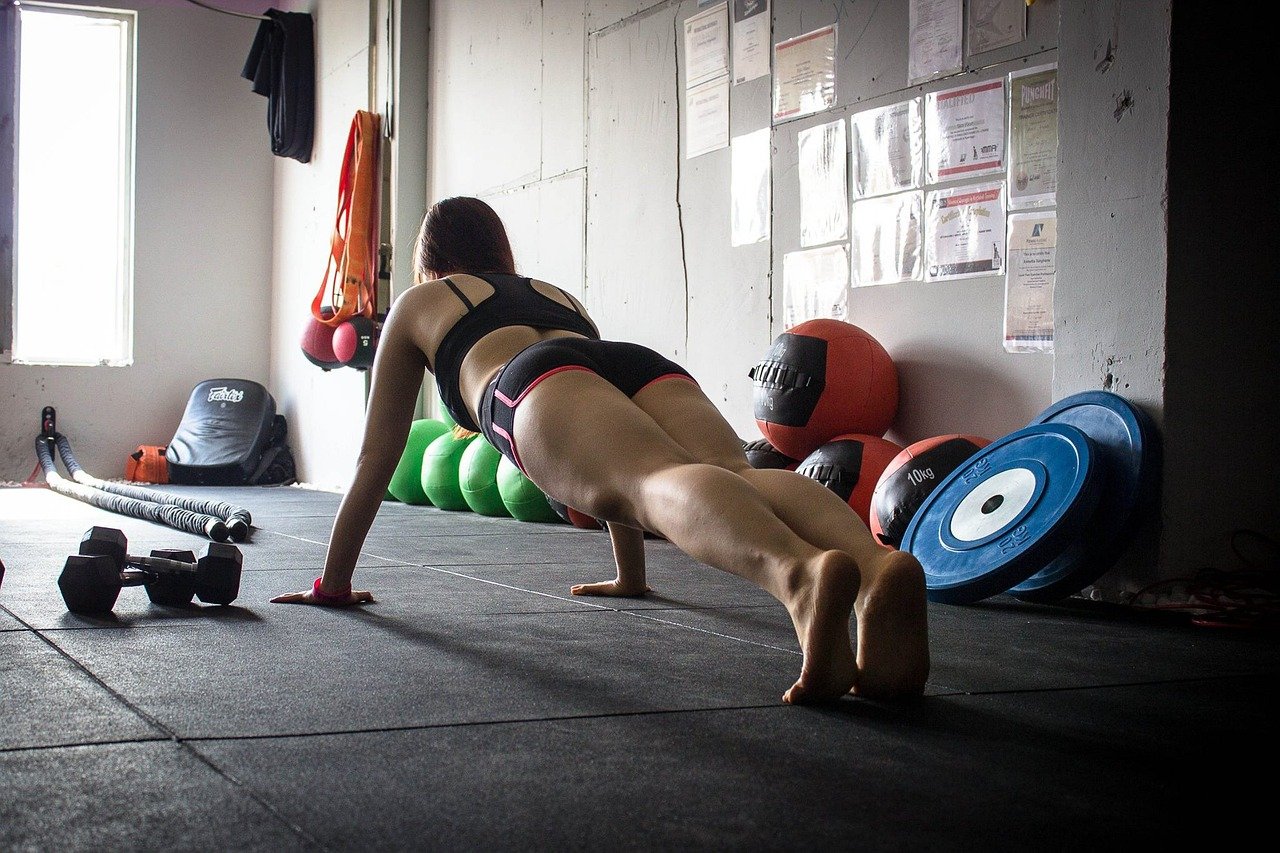

Athletes, too, find that functional training boosts overall performance by improving core strength, reaction time, and movement efficiency. Regardless of age or fitness level, the adaptability of functional workouts makes them suitable for everyone—ensuring a strong, resilient body for years to come.






This is a sample website from my portfolio - Visit WordPrecious.com for more. |